
Introduction
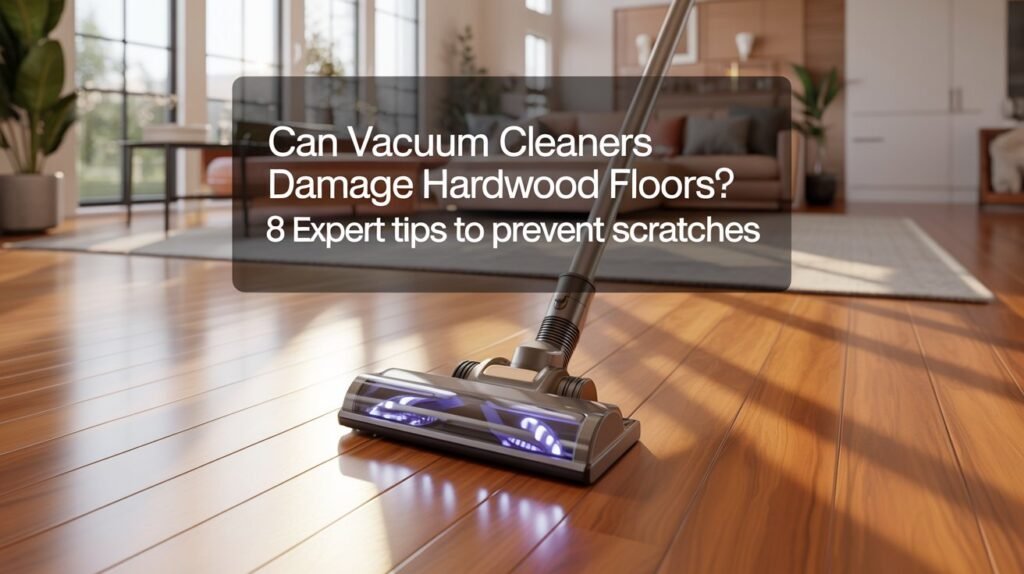
Can Vacuum Cleaners Damage Hardwood Floors? are one of the most attractive flooring options for modern homes. They improve the appearance of living spaces, increase property value, and last for decades when maintained properly. However, many homeowners worry about one important issue: can vacuum cleaners damage hardwood floors?
The short answer is yes, certain vacuum cleaners can damage hardwood floors if they are not designed for delicate surfaces or are used incorrectly. Scratches, dull finishes, worn protective coatings, and surface marks are common problems caused by improper vacuuming techniques.
Fortunately, hardwood floor damage is preventable. Choosing the right vacuum cleaner, using proper attachments, and following safe cleaning methods can protect your flooring for years. This guide explains everything homeowners need to know about vacuuming hardwood floors safely without causing damage.
Table of Contents
2. Can Vacuum Cleaners Really Damage Hardwood Floors?
Yes, vacuum cleaners can damage hardwood floors under certain conditions. Although hardwood is durable, its protective finish is still vulnerable to repeated friction, heavy pressure, and abrasive debris.
Many traditional vacuum cleaners were originally designed for carpets rather than hardwood flooring. Older upright models often use aggressive brush rolls and stiff wheels that may scratch delicate wood surfaces during regular cleaning.
Damage usually happens gradually. Homeowners may first notice small scratches, dull spots, or uneven shine before realizing the vacuum cleaner is responsible.
Several factors contribute to hardwood floor damage during vacuuming:
2.1 Rotating Brush Rolls
Brush rolls rotate rapidly to loosen dirt from carpets. On hardwood floors, these spinning bristles may scrape the surface repeatedly. Vacuums without brush roll shutoff are more likely to cause scratches.
2.2 Hard Plastic Wheels
Some inexpensive vacuum cleaners use hard plastic wheels instead of rubberized wheels. These wheels may drag sharp particles across the floor and create visible marks.
2.3 Trapped Dirt and Debris
Small stones, sand particles, pet litter, and debris trapped beneath the vacuum head act like sandpaper. As the vacuum moves, these particles scratch the wood finish.
2.4 Heavy Vacuum Weight
Large upright vacuums apply significant downward pressure on hardwood flooring. Over time, repeated use may wear away the protective coating.
How Much Suction Power Does a Vacuum Cleaner Need?
Vacuum Wars Hardwood Floor Tests
3. Which Vacuum Cleaners Are Safe for Hardwood Floors?
Not all vacuum cleaners are dangerous for hardwood flooring. In fact, many modern models are specifically designed for delicate surfaces.
The safest vacuums usually include soft rollers, adjustable suction settings, rubber wheels, and hardwood cleaning attachments.
3.1 Cordless Vacuums
Cordless vacuums are among the safest options for hardwood floors. They are lightweight, easy to maneuver, and often include soft cleaning heads.
Premium cordless vacuums commonly use soft roller technology instead of stiff carpet brushes. This design reduces scratching risk while still removing dust and debris effectively.
3.2 Canister Vacuums
Canister vacuums work well on hardwood floors because the cleaning head is lighter than traditional upright vacuums. Many models include soft bristle attachments and rubberized wheels.
The flexible hose also allows users to clean gently without dragging heavy components directly over the floor.
3.3 Robot Vacuums
Modern robot vacuums are generally safe for hardwood flooring. Most use soft wheels, gentle brushes, and smart navigation systems that reduce unnecessary friction.
Robot vacuums are especially useful for maintaining daily cleanliness and minimizing dust buildup.
3.4 Hardwood-Safe Upright Vacuums
Some upright vacuums now include specialized hardwood modes. These machines allow users to disable the brush roll and reduce suction power when cleaning delicate flooring.
4. Signs Your Vacuum Cleaner Is Damaging Hardwood Floors
Hardwood floor damage often develops slowly. Identifying early warning signs helps prevent serious problems later.
4.1 Visible Surface Scratches
Thin lines or scratch marks appearing after vacuuming usually indicate abrasive contact between the vacuum and floor surface.
4.2 Dull Floor Finish
Hardwood floors should maintain a consistent shine. If certain areas appear dull after cleaning, the vacuum may be wearing away the protective finish.
4.3 Wheel Marks
Dark streaks or pressure marks sometimes appear when hard wheels repeatedly move across the same area.
4.4 Uneven Protective Coating
Frequent vacuuming in high-traffic areas may cause uneven wear on the floor coating.
Why Is My Vacuum Cleaner Losing Suction?
5. How to Vacuum Hardwood Floors Without Damage
Using proper vacuuming techniques dramatically reduces the risk of scratching hardwood flooring.
5.1 Turn Off the Brush Roll
Always disable rotating brush rolls when cleaning hardwood floors. Most modern vacuums include a brush roll shutoff feature specifically for delicate surfaces.
5.2 Use Soft Floor Attachments
Soft microfiber heads and felt attachments glide smoothly across hardwood flooring without causing scratches.
5.3 Clean Vacuum Wheels Frequently
Debris trapped inside wheels may create scratches during movement. Cleaning wheels regularly helps maintain smooth operation.
5.4 Vacuum Slowly
Fast vacuuming increases friction and may spread debris across the floor surface. Slow, controlled movements are safer.
5.5 Remove Sharp Debris First
Large debris particles such as stones or pet litter should be picked up manually before vacuuming.
6. Best Vacuum Features for Hardwood Floors
Certain vacuum features are especially important for protecting hardwood flooring.
6.1 Soft Roller Heads
Soft rollers remove dust effectively while minimizing direct abrasion.
6.2 Rubber Wheels
Rubber wheels glide more gently across wood surfaces than hard plastic wheels.
6.3 Adjustable Suction Power
Lower suction settings reduce unnecessary stress on the floor finish.
6.4 Lightweight Construction
Lightweight vacuums are easier to maneuver safely and place less pressure on the floor.
6.5 HEPA Filtration
HEPA filters improve indoor air quality while capturing fine dust particles commonly found on hardwood floors.
Bagged vs Bagless Vacuum Cleaner
7. Common Vacuuming Mistakes That Damage Hardwood Floors
Many homeowners unintentionally damage their floors through improper cleaning habits.
7.1 Using Carpet Mode on Hardwood
Carpet mode increases brush aggression and suction strength, which may scratch wood surfaces.
7.2 Dragging the Vacuum Sideways
Dragging the vacuum roughly across the floor increases friction and wheel pressure.
7.3 Ignoring Dirty Attachments
Dirty vacuum heads collect grit and abrasive particles that damage the floor finish.
7.4 Vacuuming Wet Debris
Moisture exposure weakens hardwood coatings and may cause long-term swelling or warping.
National Wood Flooring Association
8. Are Robot Vacuums Safe for Hardwood Floors?
Most robot vacuums are safe for hardwood floors when properly maintained. Modern robot vacuums use soft rubber wheels, obstacle detection systems, and lightweight designs that minimize floor pressure.
However, maintenance is still important. Users should regularly clean the wheels and brushes to prevent trapped debris from scratching the surface.
Robot vacuums are particularly useful for reducing dust accumulation between deep cleaning sessions.
How Does a Bagless Vacuum Cleaner Work?
9. Expert Tips to Protect Hardwood Floors Long-Term
Protecting hardwood floors requires more than simply choosing the right vacuum cleaner.
9.1 Use Entry Mats
Entry mats reduce the amount of dirt and sand entering the home.
9.2 Trim Pet Nails
Long pet nails can scratch hardwood flooring during movement.
9.3 Replace Damaged Vacuum Parts
Worn wheels, damaged rollers, and broken attachments should be replaced immediately.
9.4 Avoid Excessive Moisture
Too much water weakens hardwood floor coatings and increases damage risk.
Consumer Reports Vacuum Buying Guide
10. FAQs
10.1 Can cordless vacuums scratch hardwood floors?
Yes, but modern cordless vacuums are generally safer because many include soft rollers and floor-safe wheels.
10.2 Should you turn off the brush roll on hardwood floors?
Yes. Turning off the brush roll helps prevent scratches and surface damage.
10.3 Are robot vacuums safe for wood floors?
Most robot vacuums are safe for hardwood floors if cleaned and maintained properly.
10.4 What vacuum attachment is safest for hardwood floors?
Soft roller heads and microfiber floor attachments are the safest options.
10.5 How often should hardwood floors be vacuumed?
Vacuuming two to three times weekly helps control dust and dirt buildup.
Vacuum Cleaner Maintenance Tips
11. Conclusion
So, can vacuum cleaners damage hardwood floors? The answer is yes, but damage is usually preventable with the right equipment and cleaning methods.
Brush rolls, trapped debris, hard wheels, and improper vacuum settings are the most common causes of scratches and floor wear. Fortunately, modern cordless, canister, and robot vacuums are often designed specifically for delicate flooring surfaces.
Choosing a hardwood-safe vacuum cleaner, maintaining attachments regularly, and using gentle cleaning techniques will help preserve your hardwood floors for many years while keeping your home clean and dust-free.